Home › Core Services › Joint Preservation
Preserving Your Natural Joint for a Longer, More Active Life
Core Specialised Services — click to explore:
For many patients with joint pain, surgery is not always the first or best option. Modern orthopaedics increasingly focuses on Joint Preservation — a specialised field aimed at maintaining the health of your natural joints, reducing pain and delaying or avoiding joint replacement surgery whenever possible.
At the Joint Preservation Centre, Dr Anand Jadhav offers advanced treatments designed to preserve joint function, restore mobility and help patients continue enjoying active lifestyles. These treatments aim to:
The philosophy is simple: preserve the natural joint whenever possible and replace it only when truly necessary. Joint preservation is particularly valuable in younger and active individuals who wish to maintain high levels of activity and sports participation.
Joint preservation treatments are especially useful for patients who are considered too young or too active for joint replacement surgery.
Joint pain and stiffness in the early stages, before severe cartilage loss has occurred.
Focal damage to the smooth joint surface, which can progress to arthritis if untreated.
Tears of the knee's shock-absorbing menisci, often repairable with keyhole surgery.
ACL and other ligament injuries causing joint instability and recurrent giving way.
Injuries in active individuals wishing to return to sport with their natural joint intact.
Painful tendon disorders affecting joint function and activity levels.
Loss of blood supply to bone — treatable with joint-preserving procedures when caught early.
Bow legs or knock knees overloading one side of the joint and accelerating wear.
Ongoing pain despite conservative treatment, where the joint is still worth preserving.
Every joint preservation journey begins with an accurate diagnosis and a personalised plan.
A structured rehabilitation programme remains the foundation of joint preservation. Physiotherapy can improve muscle strength, restore joint movement, improve balance and stability, reduce pain, and improve sporting performance.
Often, a well-designed exercise programme can significantly delay the need for surgery.
Even small reductions in body weight can substantially reduce forces across weight-bearing joints such as the knee and hip. Patients are often advised regarding weight management, activity modification, exercise programmes, sports-specific conditioning and nutritional support.
Modern injection treatments can help reduce pain and improve function in selected patients. These include:
These treatments may be beneficial in early arthritis, tendon disorders and sports injuries.
Arthroscopy allows many joint problems to be treated using minimally invasive keyhole surgery. Common procedures include:
Arthroscopy often allows patients to return to activity more quickly while preserving normal joint structures.
Damage to joint cartilage can lead to early arthritis if left untreated. Modern cartilage restoration procedures include:
These procedures aim to restore damaged cartilage and preserve the natural joint.
In selected patients with early arthritis and limb malalignment, osteotomy surgery can redistribute forces across the joint and delay joint replacement surgery for many years.
Examples include High Tibial Osteotomy (HTO) and Distal Femoral Osteotomy (DFO). These procedures are particularly useful in younger active patients with early knee arthritis.
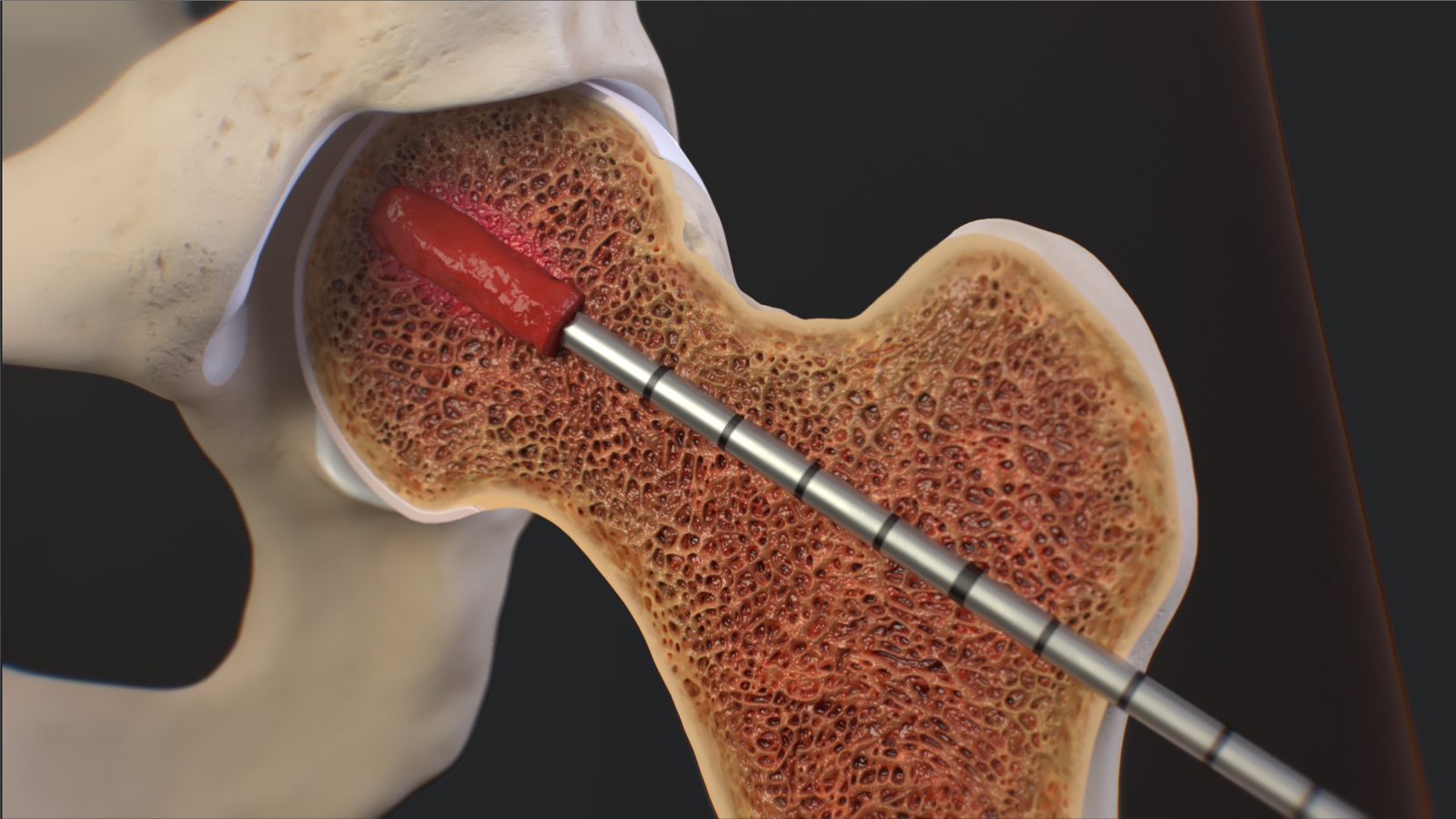
When diagnosed early, AVN of the hip may be treated with joint-preserving procedures such as core decompression, bone grafting, and regenerative treatments with PRP, BMAC or Cultured Osteoblast Implantation.
Early diagnosis is crucial to achieving the best outcomes in AVN.
A biological solution for early bone damage and joint preservation.
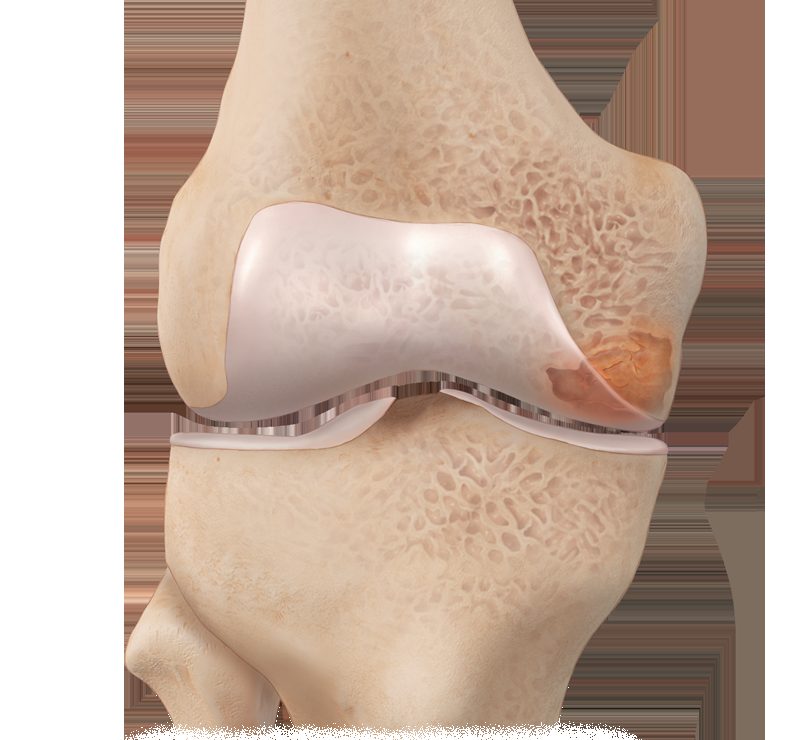
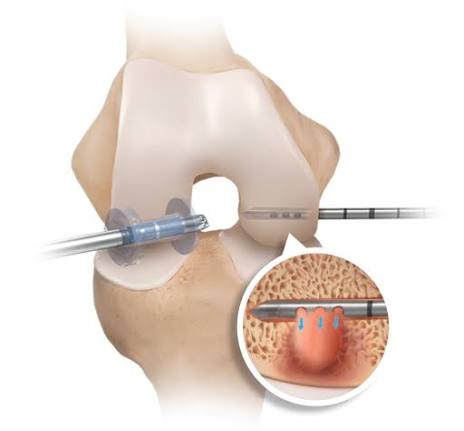
In selected patients — particularly younger and active individuals — joint pain may arise from damage in the subchondral bone beneath the cartilage. IOBP is a minimally invasive procedure in which the damaged area within the bone is carefully decompressed and filled with a biological graft of concentrated bone marrow cells (BMAC) and bone-graft material, encouraging new bone formation and supporting the cartilage above it.
IOBP may benefit selected patients with painful bone marrow lesions, subchondral insufficiency fractures, stress-related bone injuries and early avascular necrosis.
Many joint conditions progress gradually over time. Early intervention often allows:
Ignoring symptoms may result in irreversible damage and more complex treatment later.
Despite advances in joint preservation, some patients eventually develop severe arthritis where replacement surgery offers the best long-term outcome.
The goal of joint preservation is not to avoid replacement at all costs, but rather to ensure that joint replacement is performed at the right time and for the right reasons.
Dr Anand Jadhav has over 30 years of orthopaedic experience and specialises in both Joint Preservation Surgery and Robotic Joint Replacement. His expertise includes:
This unique combination allows Dr Jadhav to offer the full spectrum of treatment options — from preserving the natural joint to advanced robotic replacement surgery when required.
Our Philosophy — Preserve when possible. Repair when necessary. Replace when appropriate. The ultimate aim is to help patients remain active, independent and pain-free for as long as possible.
For the right patient at the right stage, yes. Joint preservation aims to delay or avoid replacement surgery. However, in advanced arthritis, joint replacement may remain the best long-term option — the goal is to ensure replacement is performed at the right time and for the right reasons.
Joint preservation treatments are especially valuable for patients considered too young or too active for joint replacement. A clinical assessment and imaging will help identify which joint-preserving options are suitable for you.
No. The foundation of joint preservation is non-surgical — physiotherapy, lifestyle modification, weight management and injection therapies. Surgery such as arthroscopy, cartilage restoration or osteotomy is considered when appropriate.
Many joint conditions progress gradually. Early intervention usually means better outcomes, simpler treatment, faster recovery and a greater chance of delaying or avoiding joint replacement. Ignoring symptoms may lead to irreversible damage.
Dr. Anand Jadhav performs every operation personally. Assisting staff may support the procedure, as is standard in any operating theatre, but the surgery itself is never delegated to another surgeon.
Click below to learn more about our regenerative treatment options.
PRP, BMAC, stem cell therapies & hyaluronic acid injections — harnessing the body's natural healing potential
Read more →Chondroplasty, microfracture, OATS & ACI — preserving joint health and preventing arthritis
Read more →A minimally invasive biological procedure for early bone damage and painful bone marrow lesions
Read more →Schedule your consultation today
📞 Call Now — 904 905 0990 💬 WhatsApp Us